Explore global reactor market distribution, pros & cons of current reactor cleaning methods, and why Fedjetting ultra-high pressure waterjet cleaning solution leads the industry.
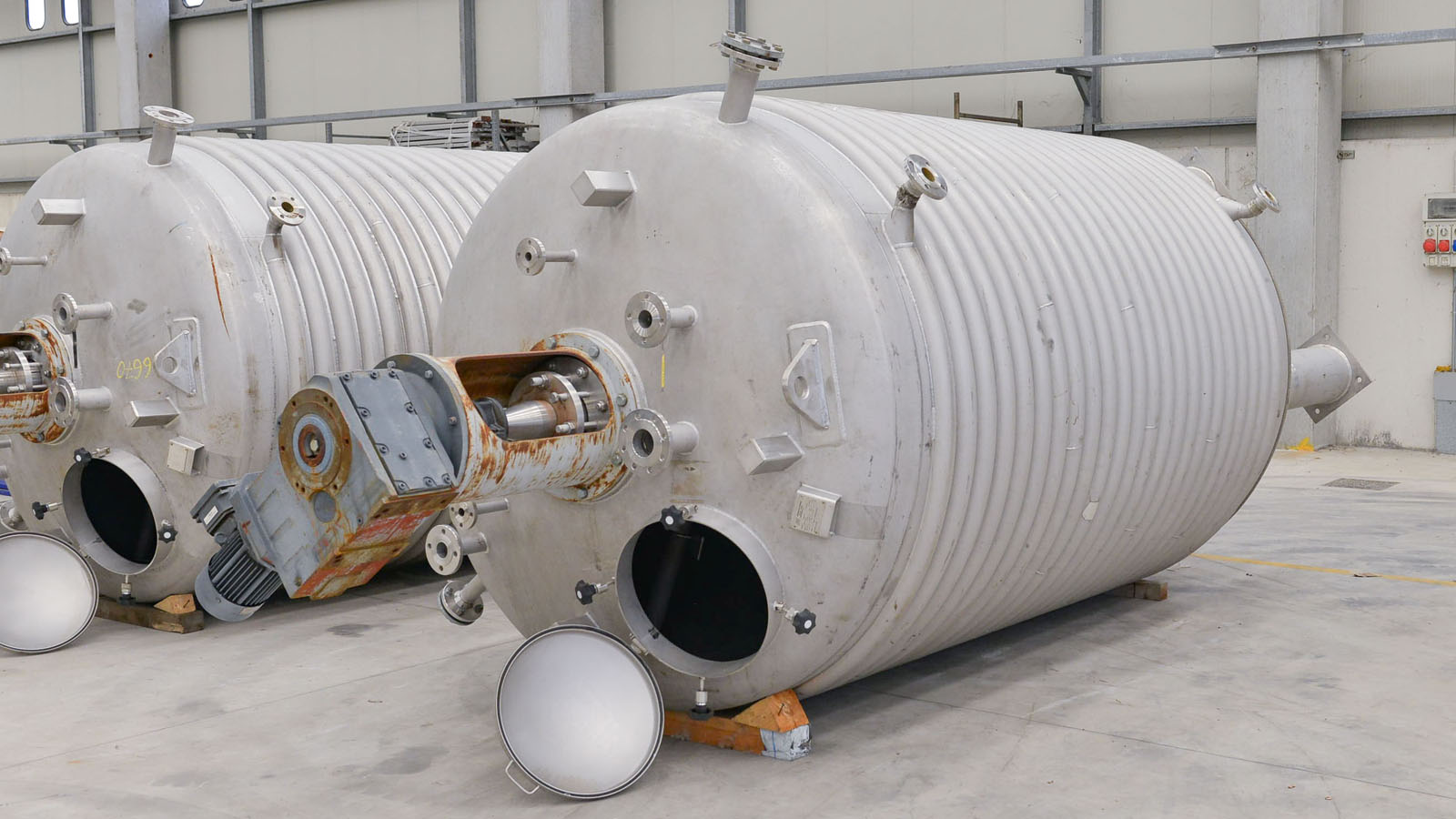
Reactor vessels are the foundational core equipment for chemical transformation manufacturing in key global industrial sectors, including chemical manufacturing, pharmaceuticals, petrochemicals, and food processing. The cleanliness of the equipment’s internal surfaces directly affects chemical reaction efficiency, product quality, and even the safety of the entire production system—this is particularly true for the polymers, gels, and other highly viscous residues that adhere to reactor walls and agitators during continuous or batch production, which are among the most difficult to remove. Without effective cleaning, these residues not only contaminate subsequent batches but also lead to equipment fouling, reduced heat transfer efficiency, and in extreme cases, safety hazards such as blockages or local overheating.Against the backdrop of the global industrial sector’s increasing demands for production efficiency, personnel safety, and environmental compliance, the maintenance and cleaning of reactor vessels have evolved from a "minor maintenance task" to a core component of enterprise operational management. This report systematically combs through the regional distribution characteristics of the global reactor installed base—covering both mature and emerging core markets—conducts an in-depth analysis of the advantages and disadvantages of various mainstream cleaning technologies in the current industry, and elaborates on the unique value of Fedjetting’s ultra-high pressure (UHP) waterjet cleaning solution for reactor maintenance, providing a reliable reference for industrial equipment operation and maintenance decision-makers worldwide.
1. Global Reactor Market Distribution
The global reactor market is mainly concentrated in regions with developed or rapidly advancing chemical, pharmaceutical and petrochemical industries. The market distribution data not only reflects the global layout of downstream industrial manufacturing capacity, but also directly determines the regional demand for reactor cleaning services—this in turn affects the selection and promotion of cleaning technologies. The following analysis is based on the 2025 global chemical reactors installed base and market data, which is the latest and most authoritative industry-wide data publicly available.
1.1 Asia Pacific: The Largest Global Market
The Asia Pacific region stands as the world’s largest reactor market, accounting for 38.4% of global market share in 2025—equivalent to a total market value of approximately $4.76 billion. This unshakable leading position is driven by the following core growth drivers:
- China: As the single largest national market in the region, China’s momentum stems from the 14th Five-Year Plan’s vigorous promotion of chemical industry modernization investment. From 2023 to early 2026, more than 120 new chemical plants were completed and put into operation in the country—covering a full range of production units from petrochemical complexes to pharmaceutical API (active pharmaceutical ingredient) manufacturing parks. These new projects have driven the installation of a large number of large-scale, high-precision reactor systems, making China the global reactor installation and maintenance center.
- India: The fastest-growing market in the region, with a growth rate projected to exceed 8.2% annually through 2034. This growth is underpinned by the government’s Production Linked Incentive (PLI) scheme, which encourages the localization of pharmaceutical and specialty chemical manufacturing—particularly in the high-end fine chemical and API sectors, which require large numbers of precision-made reactor vessels. This has laid a foundation for the rapid expansion of the country’s reactor maintenance service demand.
- Southeast Asia: Vietnam, Indonesia, and other Southeast Asian countries have become emerging markets for reactor demand in recent years. Driven by cost advantages and improvements in the regional industrial supporting ecosystem, a large number of global chemical and pharmaceutical manufacturing capacities have concentrated in the region—resulting in continuous growth in the demand for reactors and their subsequent maintenance services.
- Northeast Asia: South Korea and Japan have long held a leading position in the high-end reactor segment. Driven by the advanced materials and semiconductor chemical industries, these countries have invested heavily in high-precision catalytic reactors and continuous reactor systems—creating a large stock of high-end reactors that require professional, high-standard cleaning services.
1.2 North America: The Mature Market With Upgrading Demand
The North American market, dominated by the United States and Canada, is the second-largest global reactor market, accounting for approximately 24.6% of global market share in 2025. As a mature industrial market, its reactor demand and maintenance needs have distinct characteristics:
- United States: The core demand comes from two major sectors: first, the domestic pharmaceutical manufacturing sector—bolstered by policy provisions such as the U.S. Inflation Reduction Act, which encourage the localization of drug production—has driven the procurement of a large number of reactors in manufacturing hubs including New Jersey, Pennsylvania, and North Carolina. Second, the petrochemical industry in the Gulf Coast region is continuously upgrading its reactor hardware to adapt to shale gas-derived ethane and propane feedstocks—requiring regular, high-quality cleaning to maintain production efficiency. Additionally, as the market for high-end specialty chemicals expands, the demand for reactors capable of handling complex reaction conditions is also growing steadily.
- Canada: The growth of the reactor market mainly stems from the boom in the bio-refining sector—where advanced catalytic reactors are core to the production of biofuels and other bio-based chemicals. This has resulted in sustained demand for specialized reactor cleaning services in the country.
1.3 Europe: The Stable Market With Strict Compliance Requirements
Europe accounts for roughly 21.3% of the global reactor market, with demand primarily driven by the region’s strong chemical and pharmaceutical manufacturing base—including industry giants such as BASF, Bayer, and Evonik. However, the EU’s Green Deal and REACH (Registration, Evaluation, Authorization and Restriction of Chemicals) regulations have completely reshaped the region’s reactor demand and maintenance requirements. On the one hand, many reactors installed in the 1970s and 1980s are facing elimination or retrofitting—with new equipment designed to meet the region’s stringent emission and process safety standards. On the other hand, these environmental regulations have also put forward higher requirements for reactor cleaning processes: cleaning methods must not only meet industry standards for soil removal efficiency but also must generate as little hazardous waste and pollutant emissions as possible. This has directly driven the demand for environmentally friendly, efficient, and reliable reactor cleaning technologies.
1.4 Middle East & Africa and Latin America: Emerging Markets With Rapid Growth
The Middle East & Africa and Latin America regions currently hold 8.5% and 7.2% of the global reactor market share respectively, but their growth rates are higher than the global average—making them the emerging engines driving global reactor market expansion. The core demand in these regions stems from the large-scale petrochemical industry expansion programs promoted by their governments:
- Middle East: Saudi Arabia, the United Arab Emirates, and Qatar are investing heavily in new petrochemical facilities in alignment with their respective national economic development initiatives—including Saudi Arabia’s Vision 2030 and the National Industrial Development and Logistics Program. These projects have directly driven the demand for reactors and their supporting maintenance and cleaning services in the region.
- Latin America: Brazil’s agrochemical sector and Mexico’s pharmaceutical manufacturing sector—boosted by the global nearshoring trend—are the main drivers of reactor demand growth. The manufacturing processes in these sectors have created a large number of rigid, high-standard cleaning needs for reactor maintenance.
In conclusion, the distribution of the global reactor installed base shows a clear pattern: the Asia Pacific region leads in terms of overall volume, the North American and European markets are focused on high-end, compliant, and efficient maintenance solutions, and the Middle East & Africa and Latin America regions are experiencing rapid growth in demand. This regional differentiation in demand characteristics provides a core reference for the matching and promotion of cleaning technologies.
2. Common Reactor Cleaning Methods: Advantages and Disadvantages
The industrial sector has developed a variety of cleaning technologies around reactor fouling characteristics—from traditional manual cleaning to advanced ultra-high pressure waterjet cleaning. However, there is no "universal solution" in this field; instead, selection must be based on the reactor’s material, design pressure, fouling type, and the actual requirements of subsequent production processes. This chapter will combine the technical performance and industrial application results of various cleaning technologies to systematically analyze their advantages and disadvantages.
2.1 Manual Cleaning
Manual cleaning is the most traditional reactor maintenance method, typically requiring workers to enter the reactor vessel after it has been isolated, depressurized, and ventilated—where they use mechanical tools such as brushes, shovels, or scrapers to manually remove residues from the internal walls and agitator components. This method is still used in some small-scale enterprises or special reactor scenarios due to its low upfront equipment investment cost. However, from the perspective of modern industrial maintenance, this method has fatal flaws:
- Poor cleaning effect: It is difficult for manual operation to ensure uniform force on all reactor surfaces—particularly in hard-to-reach areas such as internal corners, gaps around the agitator, or narrow pipeline connections. This means that residue deposits are often not completely removed, leaving hidden dangers for subsequent production batches.
- High safety risks: Reactor vessels are classified as confined spaces in industrial production. Manual cleaning requires workers to enter the vessel, which exposes them to risks such as residual chemical poisoning, hypoxia, or even mechanical injury from the tools themselves. According to industry survey data, 82% of chemical plant safety incidents related to reactor maintenance occur during manual cleaning operations.
- Serious environmental pollution: The residues removed during manual cleaning, as well as the wastewater and solid waste generated during subsequent vessel rinsing, are often directly discharged without proper treatment—resulting in secondary pollution to the surrounding soil and water bodies.
- Long operational downtime: Manual cleaning is slow and labor-intensive; for a large-scale industrial reactor, the entire cleaning process—from system isolation to final rinsing—can take 2 to 3 days or even longer. This kind of prolonged production halt can cause significant economic losses to continuous production enterprises.
- High hidden costs: While manual cleaning has low upfront equipment investment, it requires a large amount of labor input and prolonged production downtime. In addition, the costs of personal protective equipment (PPE) for workers, hazardous waste treatment, and subsequent safety inspections are all considerable. These combined factors make the long-term comprehensive cost of manual cleaning far higher than that of professional mechanized cleaning solutions.
2.2 Chemical Cleaning
Chemical cleaning is a method that has been widely used in the reactor maintenance field for a long time. Its principle is to soak or circulate a specific chemical solvent (such as an acid, alkali, or organic solvent) inside the reactor—using the solvent’s chemical action to dissolve or loosen the residues adhered to the internal surfaces. After the residues are fully softened, the solvent is discharged, and the vessel is rinsed with clean water or a neutralizing agent to complete the cleaning process. This method has unique advantages for certain specific types of fouling, but it also has significant technical and application limitations:
- Limited cleaning effect: Chemical cleaning is only effective for specific residue types—such as certain inorganic scale or soft organic deposits. It has almost no dissolving or loosening effect on high-viscosity polymer residues, coke deposits, or other hard-to-remove fouling that form strong chemical bonds with the reactor wall. In addition, the cleaning effect is constrained by the reactor’s internal structure: if the vessel has a complex internal design or components such as agitators, baffles, or internal pipelines, it is difficult for the solvent to circulate evenly to all areas—resulting in inconsistent cleaning quality and easy formation of cleaning dead zones.
- High risk of equipment damage: The chemical solvents used in chemical cleaning are often corrosive—especially when cleaning reactors made of non-metal-resistant materials such as glass-lined or alloy steel. If the solvent type is improperly selected or the soaking time is not properly controlled, the inner wall of the reactor can suffer chemical corrosion or pitting—directly shortening the equipment’s service life. In addition, for reactors that have been in operation for a long time, the residual stress inside the equipment can react with the chemical solvent—leading to potential safety hazards such as equipment deformation or leakage.
- Significant environmental pollution risks: After the completion of chemical cleaning, the discharged waste liquid contains a large amount of hazardous chemicals—including the original solvent components, dissolved residues, and even heavy metal ions stripped from the reactor wall. These substances require specialized treatment by a qualified environmental protection agency before they can be discharged or transported. If not handled properly, they can cause serious pollution to the ecological environment. In addition, the volatilization of chemical solvents during the cleaning process can also cause air pollution and pose a health risk to on-site operators.
- Long operational downtime: Chemical cleaning requires multiple process steps—including solvent injection, soaking or circulation, solvent discharge, multiple rinsing cycles, and pH neutralization testing. The entire process takes a long time; for some large-scale reactors with complex fouling conditions, the cleaning process can take more than 3 days—seriously affecting the continuity of enterprise production.
- High comprehensive cost: While the upfront cost of chemical cleaning equipment and materials is relatively low, the method has high long-term comprehensive costs. These include the cost of the chemical solvent itself, the cost of transporting and treating the hazardous waste liquid generated during the cleaning process, and the cost of subsequent environmental compliance testing. These combined factors make the actual comprehensive cost of chemical cleaning much higher than that of advanced physical cleaning technologies.
2.3 Conventional Mechanical Cleaning
Conventional mechanical cleaning is a technology that uses mechanical friction or impact force to remove internal reactor residues. The most common variants include high-pressure water jet cleaning (at pressures below 10,000 PSI) and pipeline pigging (which uses a cleaning device called a "pig" to scrape residues off the pipe walls). This method has been widely used in the reactor maintenance field in recent years due to its advantages of high cleaning efficiency and no chemical pollution. However, with the increasing requirements of modern industrial production for reactor maintenance, its technical limitations have gradually become prominent:
- Limited cleaning capacity: The impact force generated by conventional high-pressure water jet cleaning systems is insufficient to completely remove hardened scale, coke deposits, or polymer residues that have formed strong bonds with the reactor wall. For pipeline pigging, the scraping force of the standard foam or brush pig used is also insufficient to remove these types of tenacious residues—meaning the cleaning process can only achieve partial removal, leaving hidden dangers for subsequent production.
- Risk of equipment damage: During the pigging process, if the cleaning device encounters a 1.5D bend or a partially closed valve in the reactor’s connecting pipeline, it can easily get stuck—causing a blockage in the production line that requires additional maintenance to resolve. In addition, the scraping action of the pig on the reactor’s inner wall can cause abrasive damage or micro-scratches to the equipment’s metallurgical surface. These damaged areas can become breeding grounds for microbial-induced corrosion (MIC) during subsequent production runs—shortening the equipment’s service life and increasing the risk of leakage or other safety incidents.
- Unsuitable for complex reactor geometries: Standard cleaning pigs are "blind" devices that follow the flow direction of the medium inside the pipe. When cleaning reactors with complex internal structures or their connecting pipelines—such as those with T-junctions, multiple valves, or varying pipe diameters—the pig cannot accurately navigate these complex sections. This results in missed cleaning areas or incomplete residue removal. In severe cases, the pig can get stuck in the pipeline—requiring the production line to be shut down again for maintenance and removal.
- Significant downtime: While conventional mechanical cleaning is more efficient than manual or chemical cleaning, it still requires a significant amount of time for equipment setup, cleaning execution, and subsequent maintenance and inspection. For some large-scale industrial reactors, the entire cleaning process can take 1 to 2 days—still having a significant impact on the continuity of enterprise production.
2.4 Ultra-High Pressure (UHP) Waterjet Cleaning
Ultra-high pressure (UHP) waterjet cleaning is a advanced physical cleaning technology that has become increasingly popular in the industrial maintenance field in recent years. Its principle is to use an ultra-high pressure water jet generated by a specialized high-pressure pump to impact and break up the tenacious residues inside the reactor—using only pure water as the working medium. This technology was originally applied in scenarios such as industrial pipeline cleaning and metal surface cutting. With the maturation of robot control and high-pressure seal technology, it has gradually been adapted to the cleaning needs of large-scale equipment such as reactors. It is currently the most widely used technology in the global reactor maintenance field.
- Excellent cleaning performance: The ultra-high pressure water jet can generate enormous kinetic energy at the nozzle outlet—enough to shear and break up various types of tenacious residues, including hardened scale, coke deposits, and polymer residues. This cleaning effect is not affected by the reactor’s internal structure or the residue’s bonding strength; in most cases, it can restore the reactor’s inner wall to a near-white metal finish—far exceeding the cleaning quality standards achievable with other technologies.
- Superior equipment safety: UHP waterjet cleaning uses pure water as the working medium—without the addition of any chemical solvents—so there is no risk of chemical corrosion or pitting to the reactor wall. The process also employs a "cold cutting" principle, which means that the water jet’s impact force does not generate excessive heat or mechanical stress on the equipment’s metallurgical surface. This effectively avoids micro-scratches or abrasion damage to the reactor wall—eliminating the risk of subsequent corrosion caused by surface damage.
- Environmentally friendly: The only medium used in the UHP waterjet cleaning process is pure water—so it does not produce any chemical pollutants or hazardous waste. The wastewater generated during the cleaning process can be treated and reused using a simple filtration and purification system—without the need for a specialized environmental protection agency to handle hazardous waste liquid. This greatly reduces the impact of the cleaning process on the ecological environment and helps enterprises meet strict environmental compliance requirements.
- Minimal operational downtime: UHP waterjet cleaning boasts high cleaning efficiency. For most large-scale industrial reactors, the entire cleaning process—from equipment setup to the completion of cleaning—takes only 4 to 6 hours. This is a fraction of the downtime required by traditional manual or chemical cleaning methods. This significant reduction in production downtime can directly translate into considerable economic gains for continuous production enterprises.
- **Wide range of applications: This technology is suitable for cleaning various types of reactors—including those made of stainless steel, glass-lined steel, and alloy materials. It can handle a wide range of fouling types, including polymer residues, coke deposits, scale, and chemical precipitates. It is applicable to multiple industries, including chemical manufacturing, pharmaceuticals, petrochemicals, and food processing—making it a truly universal industrial cleaning technology.
3. Fedjetting Ultra-High Pressure Waterjet Cleaning Solution
As a global enterprise focused on ultra-high pressure waterjet technology and its industrial applications, Fedjetting has accumulated rich technical reserves and project experience in the reactor maintenance field. The UHP waterjet cleaning solution we have launched for reactor tanks effectively addresses the pain points and shortcomings of the aforementioned traditional cleaning technologies. This solution has been verified in actual maintenance projects in multiple industries—including chemical manufacturing, pharmaceuticals, and petrochemicals—and has won wide recognition from global customers for its superior cleaning performance, high degree of automation, and high safety standards.
3.1 Technical Advantages of Fedjetting UHP Cleaning System
The technical advantages of Fedjetting’s UHP waterjet cleaning solution stem from our in-depth understanding of the actual application needs of reactor maintenance and our continuous optimization of core technology, equipment performance, and process flow. The specific advantages are as follows:
- Strong cleaning power, suitable for various types of fouling: The core of the Fedjetting UHP waterjet cleaning system is a high-pressure pump unit capable of stably delivering a maximum pressure of 2800 bar (approximately 40,000 PSI). This pressure level is sufficient to form a high-speed water jet with extreme kinetic energy at the nozzle outlet—easily shearing and breaking up various types of tenacious residues inside the reactor. This includes not only common soft deposits such as scale and grease but also polymer residues, coke deposits, and other hard-to-remove fouling that are difficult to handle with conventional cleaning technologies. This cleaning effect is not affected by the reactor’s internal structure or the residue’s bonding strength—effectively resolving the issue of incomplete cleaning that plagues traditional technologies.
- Advanced automated positioning and cleaning technology: To achieve precise cleaning of complex internal reactor structures, Fedjetting’s UHP waterjet cleaning system is equipped with a 6-axis robotic positioning system and an integrated HD camera monitoring system. This system can drive the cleaning nozzle to move in multiple dimensions—accurately navigating to complex areas such as the reactor’s inner wall, agitator, baffles, and connecting pipelines. During the cleaning process, the system can monitor the residue removal status in real time through the HD camera and dynamically adjust the nozzle’s operating angle, movement speed, and water jet pressure. This ensures complete coverage of all internal reactor surfaces—avoiding the missed cleaning areas that are common with traditional technologies.
- High degree of automation, reducing personnel safety risks: Fedjetting’s UHP waterjet cleaning system is a fully automated cleaning solution that supports remote control and 无人值守 operation. Workers only need to perform system setup and debugging operations in a safe monitoring area—far from the reactor itself—without having to enter the confined space of the reactor. This completely eliminates the risk of personal injury to workers from hazardous residues or high-pressure water jets during the cleaning process. This is particularly valuable for the chemical and pharmaceutical industries, where reactor maintenance often involves toxic or corrosive materials.
- Safe for reactor walls, no damage to equipment: The Fedjetting UHP waterjet cleaning system uses an optimized "cold cutting" cleaning principle—with the pure water jet as the only working medium. This means that the cleaning process does not generate any excessive heat or mechanical stress on the reactor’s inner wall—eliminating the risk of chemical corrosion or pitting associated with chemical cleaning. The system’s smart sensor technology also ensures that the water jet’s impact force is only applied to the residue—without causing any abrasive damage or micro-scratches to the reactor’s metallurgical surface. This effectively extends the equipment’s service life and reduces the risk of subsequent production safety incidents.
- Environmentally friendly, no secondary pollution: The only medium used in the Fedjetting UHP waterjet cleaning system is pure water—without the addition of any chemical solvents or abrasive additives. This means that the cleaning process does not produce any chemical pollutants or hazardous waste. The wastewater generated during the cleaning process can be treated and recirculated through the system’s proprietary closed-loop water filtration module—without the need for a specialized environmental protection agency to handle hazardous waste liquid. This greatly reduces the impact of the cleaning process on the ecological environment and helps enterprises meet strict environmental compliance standards.
- Significant reduction in production downtime, improving corporate economic efficiency: The high cleaning efficiency of the Fedjetting UHP waterjet cleaning system can greatly reduce the production downtime caused by reactor maintenance. For most large-scale industrial reactors, the entire cleaning process—from equipment setup to the completion of cleaning—takes only 4 to 6 hours. This is a fraction of the downtime required by traditional manual or chemical cleaning methods. This significant reduction in maintenance downtime can directly translate into increased production capacity and considerable economic gains for continuous production enterprises.
3.2 Industry Applications and Customized Cleaning Solutions
Fedjetting has designed a series of targeted UHP waterjet cleaning solutions for the fouling characteristics of reactors in different industries. These solutions are fully customizable based on the reactor’s material, design pressure, internal structure, and actual production process conditions—fully meeting the differentiated cleaning needs of different industries. The mature industry-specific solutions we currently have available include:
- Chemical Industry Reactor Cleaning Solution: The chemical industry is the largest application scenario for reactor equipment—with reactors handling a wide variety of materials and complex reaction conditions. This results in diverse types of fouling, including polymer residues, coke deposits, and scale. Fedjetting’s UHP waterjet cleaning solution for the chemical industry is equipped with ultra-high pressure rotating nozzles and a robotic positioning system—customized to address the fouling characteristics of reactors such as PVC, PVDF, and ABS polymerizers. This combination can achieve 360° all-round coverage cleaning of all internal reactor surfaces—effectively removing even the most stubborn polymer residues. The solution also supports integration with the plant’s distributed control system (DCS)—enabling centralized control and real-time data collection for the cleaning process. This facilitates production process optimization and equipment maintenance management for the enterprise.
- Pharmaceutical Industry Reactor Cleaning Solution: The pharmaceutical industry has the most stringent requirements for reactor cleaning quality—with zero tolerance for any cross-contamination from residual materials. Fedjetting’s UHP waterjet cleaning solution for the pharmaceutical industry is designed with a fully enclosed cleaning structure—effectively preventing the splashing of cleaning wastewater or residues and eliminating the risk of cross-contamination. The system can also generate a complete digital record of the cleaning process—including operating pressure, cleaning time, water flow rate, and other core data. This data can be directly used to meet the compliance verification requirements of regulatory bodies such as the U.S. FDA (Food and Drug Administration) and China’s NMPA—helping enterprises smoothly pass various compliance inspections.
- Petrochemical Industry Reactor Cleaning Solution: The petrochemical industry has a large number of large-scale reactors and associated pipeline equipment—with fouling that is mainly composed of hard coke deposits and scale. Fedjetting’s UHP waterjet cleaning solution for the petrochemical industry is equipped with high-pressure rotating nozzles capable of delivering pressures up to 2800 bar—matching the actual working conditions of large-scale reactors. This configuration can easily remove the thick, hard coke deposits that accumulate on the reactor wall after long-term operation. The solution also integrates a smart navigation system—enabling it to handle the complex working conditions of reactor internal pipelines and elbows without the risk of equipment jamming or pipeline blockage.
- Food Processing Industry Reactor Cleaning Solution: The food processing industry has strict hygiene and safety requirements for reactor cleaning—with explicit prohibitions on the use of chemical cleaning agents that may leave residues. Fedjetting’s UHP waterjet cleaning solution for the food processing industry uses a pure water-only high-pressure waterjet cleaning mode—without the addition of any chemical solvents or abrasive additives. This ensures that no chemical residues are left inside the reactor. The system’s fully enclosed cleaning structure also prevents secondary contamination of the reactor or the internal environment during the cleaning process—fully meeting the industry’s strict food hygiene and safety standards.
3.3 Why Choose Fedjetting UHP Cleaning System?
In the global industrial market—where production efficiency, personnel safety, and environmental compliance are increasingly valued—Fedjetting’s UHP waterjet cleaning solution has become the preferred choice for reactor maintenance enterprises worldwide. The core reasons for choosing our solution are as follows:
- Superior cleaning performance, ensuring product quality: The Fedjetting UHP waterjet cleaning system can achieve a level of cleaning quality that is unmatchable by traditional cleaning technologies. Its ultra-high pressure rotating nozzles and precise robotic positioning system ensure complete removal of all residues from the reactor’s internal surfaces—even those that are difficult to reach with conventional methods. This eliminates the risk of cross-contamination between production batches—providing a solid guarantee for product quality. This is particularly critical for industries such as pharmaceuticals and fine chemicals, where product quality is directly related to corporate survival and market reputation.
- Highly automated, reducing safety risks: The Fedjetting UHP waterjet cleaning system features a high degree of automation—supporting remote control and 无人值守 operation. This completely eliminates the need for workers to enter the confined space of the reactor—effectively avoiding the risk of personal injury from hazardous residues or high-pressure water jets. For enterprises with high-risk production scenarios, this value far outweighs the cost savings associated with traditional cleaning methods.
- Environmentally friendly, meeting compliance requirements: The Fedjetting UHP waterjet cleaning solution uses pure water as the sole working medium—without the addition of any chemical solvents. The wastewater generated during the cleaning process can be treated and reused through the system’s closed-loop water filtration module—without producing any hazardous waste that requires specialized treatment. This helps enterprises meet increasingly strict environmental compliance standards—avoiding production suspensions or costly fines due to environmental non-compliance.
- Significantly reducing production downtime, improving economic efficiency: The high cleaning efficiency of the Fedjetting UHP waterjet cleaning system can greatly shorten the reactor maintenance cycle—reducing the production downtime caused by cleaning from the 2 to 3 days required by traditional methods to 4 to 6 hours. This substantial reduction in downtime enables enterprises to restore production capacity more quickly—directly increasing the company’s output and generating considerable economic benefits.
- Providing customized solutions and full-life cycle services: Fedjetting has in-depth technical reserves and project experience in the reactor cleaning field—capable of designing and manufacturing targeted customized solutions based on users’ specific reactor parameters, fouling characteristics, and actual production process requirements. At the same time, the company has established a complete full-life cycle service system—covering pre-sales technical communication, program design and demonstration, equipment installation and debugging, on-site operation training, and after-sales maintenance support. This provides users with end-to-end professional maintenance services—eliminating any worries regarding equipment operation and subsequent maintenance.
4. Conclusion
Reactor vessels are the core equipment in process manufacturing industries such as chemical manufacturing, pharmaceuticals, petrochemicals, and food processing. Their internal cleanliness directly affects product quality, production efficiency, and even the safety of the entire production line. In the context of the global industrial sector’s continuous improvement in production efficiency, personnel safety, and environmental protection requirements, the reactor maintenance field is also undergoing rapid technological iteration.
Against the backdrop of this industry transformation, the global reactor market shows a clear regional distribution pattern: the Asia Pacific region is the largest demand market, the North American and European markets are focused on high-end compliant cleaning solutions, and the Middle East & Africa and Latin America regions are emerging markets with rapid demand growth. However, the cleaning technologies currently available in the market have obvious advantages and disadvantages—there is no universal solution that can balance cleaning quality, operational safety, environmental protection, and production efficiency. Traditional cleaning technologies such as manual cleaning, chemical cleaning, and conventional mechanical cleaning are gradually being unable to meet the development needs of modern enterprises—due to their inherent technical limitations, poor cleaning quality, high safety risks, serious environmental pollution, and prolonged production downtime.
As a new generation of industrial cleaning technology, Fedjetting’s ultra-high pressure (UHP) waterjet cleaning solution effectively addresses the various pain points of traditional reactor cleaning technologies. Its core technical advantages—including ultra-high pressure cleaning power, a high degree of automation, equipment protection, environmental friendliness, and the ability to significantly reduce production downtime—fully meet the needs of the global industrial market for efficient, safe, and compliant reactor cleaning solutions.
Based on the comprehensive comparison of the performance of various cleaning technologies in the current market and the actual needs of enterprises for reactor maintenance, Fedjetting’s ultra-high pressure waterjet cleaning solution is the ideal choice for reactor cleaning and maintenance in the global industrial sector. We believe that this solution can not only help enterprises thoroughly resolve reactor fouling issues but also create greater value for them in terms of improving production efficiency, ensuring operational safety, and achieving green manufacturing transformation.


